Trying to decide between a low-maintenance Tarrytown condo and a single-family home with a yard? You are not alone. Many buyers weigh convenience against privacy, outdoor space, financing, and long-term value when they focus on this West Austin pocket. In this guide, you will learn the everyday tradeoffs in Tarrytown, what to check in HOAs and inspections, and a simple step-by-step process to choose with confidence. Let’s dive in.
Tarrytown snapshot: what is different here
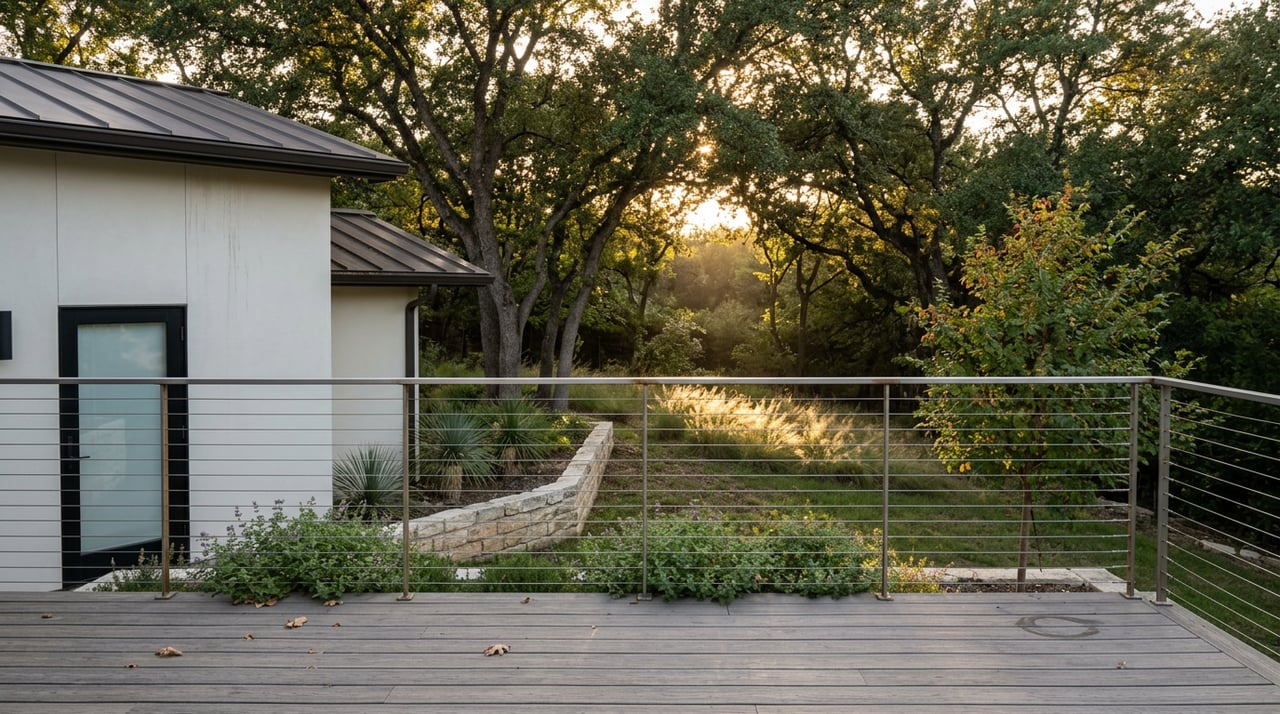
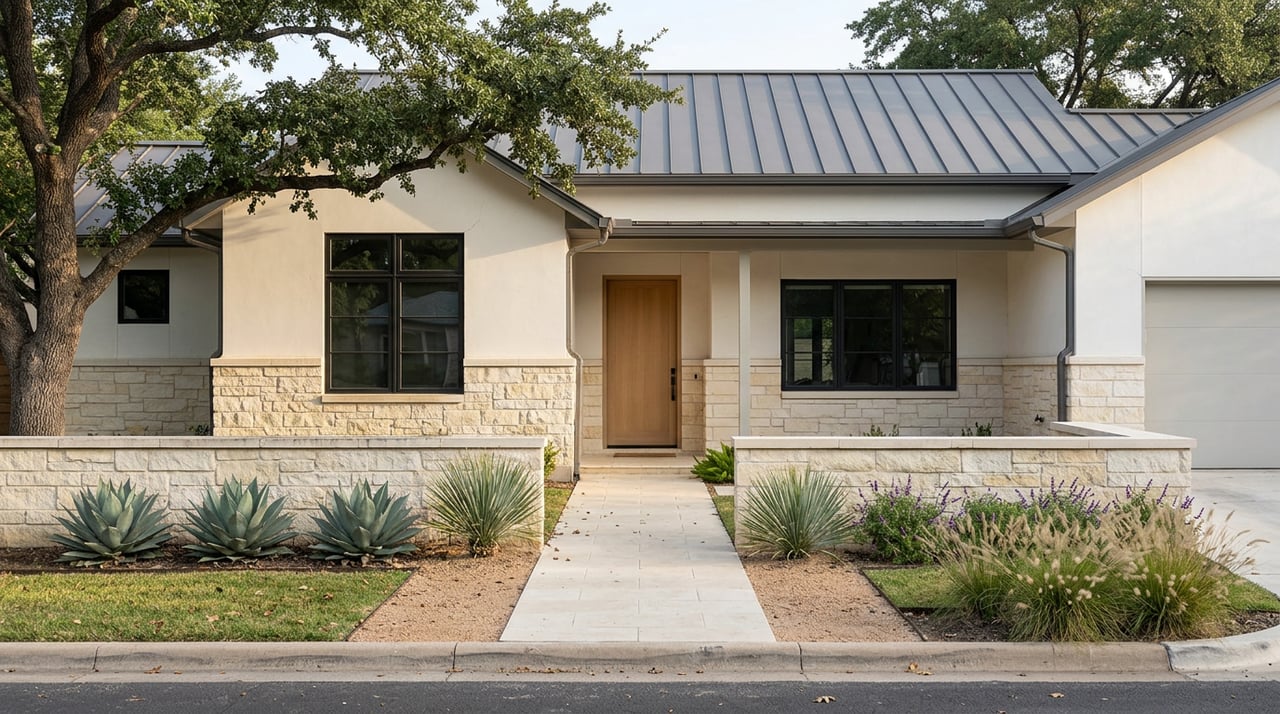
Tarrytown sits just west of downtown Austin and near Lake Austin. The neighborhood is known for mature trees, larger lots compared with inner-core infill, and a housing stock dominated by single-family homes. Condos and townhomes exist, but supply is limited and often clustered along Exposition Boulevard and Enfield Road.
As of early 2026, public market snapshots showed 78703 and Tarrytown medians roughly in the high six-figure to multi-million range, with notable month-to-month swings because the area is a low-volume luxury micro-market. Local reporting also noted pronounced movement across Austin’s luxury segments in late 2024 and 2025, which can make monthly medians volatile in neighborhoods like Tarrytown. For broader context on luxury volatility, see this coverage of Austin’s high-end market dynamics in early 2026 from The Real Deal (why luxury prices moved).
For lifestyle context, you are minutes from Lady Bird Lake trails, Deep Eddy Pool, and Lions Municipal Golf Course, plus neighborhood parks and cafes highlighted on this local amenities overview of Tarrytown (neighborhood amenities).
Condos in Tarrytown: what to expect
Maintenance and monthly HOA dues
- You typically pay a monthly HOA or condo assessment that covers exterior maintenance, common-area repairs, landscaping, amenities, and reserves. This reduces hands-on upkeep and supports a lock-and-leave lifestyle, but it replaces variable projects with a mandatory monthly fee. Learn what typical condo fees cover in this overview of condo ownership basics (condo cost basics).
- Always review the association budget, reserve study, and recent financials during diligence. Healthy reserves and clear budgets reduce the risk of surprise assessments.
HOA structure, reserves, and financial health
- Ask for the current operating budget, audited financials, reserve study and percent-funded, recent meeting minutes, delinquencies, and any litigation. Industry guidance treats a current reserve study and adequate reserve funding as central indicators of a sound association (CAI reserve guidance).
- A higher monthly fee with strong reserves may be less risky over time than a low-fee building with weak reserves. Reserve-study specialists explain why percent-funded matters when estimating future projects and assessment risk (reserve funding primer).
Privacy, noise, and outdoor space
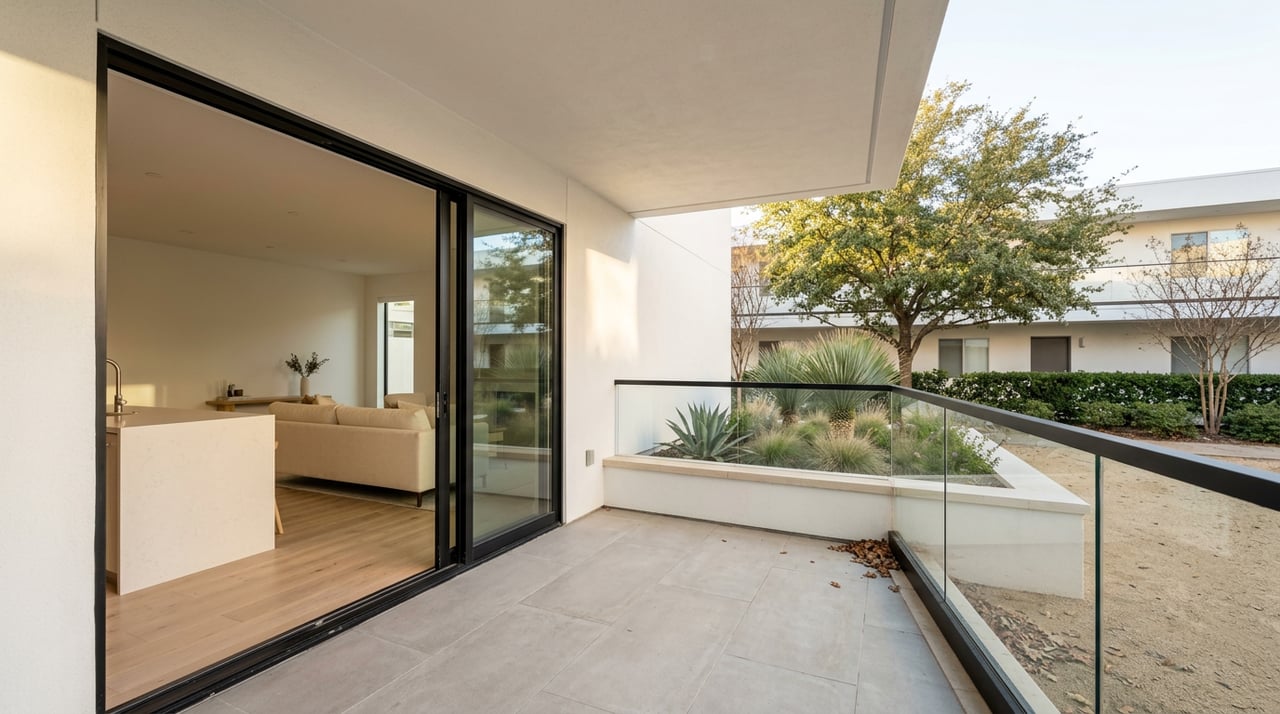
- Expect shared walls in many low-rise complexes, smaller private areas like balconies or patios, and shared amenities. This setup fits frequent travelers, downsizers, and buyers who prefer minimal exterior responsibilities.
Parking, storage, and utilities
- Many Tarrytown condos include assigned parking or shared garages, with limited guest parking. Storage is often tighter than in single-family homes, so confirm on-site or nearby options that fit your lifestyle.
Financing and resale
- Conventional condo financing requires a project-level review to confirm if the building is warrantable for Fannie Mae or Freddie Mac. Lender criteria often include owner-occupancy mix, reserve funding, delinquency limits, and commercial space. Ask your lender to check project eligibility early. Freddie Mac’s tools help lenders evaluate condo projects (condo project review basics).
- Resale depends on building governance, reserve health, owner-occupancy, and rules around rentals or short-term rentals. Financing friction can limit buyer pools for some projects, so plan for that in both your offer strategy and exit plan.
Insurance and special coverage
- You will usually carry an HO-6 condo policy for interior finishes and personal property, while the association carries a master policy for common elements. If a property is near Lake Austin or inside a flood zone, a separate flood policy may be required by a lender. A beginner’s guide to condo ownership and insurance terms is here (condo ownership and insurance).
Single-family homes: what to expect in Tarrytown
Maintenance and control
- You are responsible for exterior upkeep, roof, driveway, landscaping, and most systems. That means more hands-on management or contractor costs, but you gain control over timing, vendors, and materials compared with a shared building budget.
Space, privacy, and outdoor living
- You usually gain a larger private yard, more separation from neighbors, and more flexibility for outdoor entertaining, gardens, and on-site parking. If outdoor space and privacy top your list, single-family often fits better in Tarrytown.
Insurance and site checks
- Standard homeowners insurance covers the entire structure. For properties near waterways or identified flood zones, you may need flood insurance. Ask your agent and inspector to flag any drainage, tree, or grade issues, and confirm flood zone status early in your option period.
Cost comparison: monthly and long-term
When you compare a Tarrytown condo with a single-family home, build an apples-to-apples monthly number and a set-aside for long-term projects.
- Condo monthly: mortgage, property taxes, HO-6 insurance, HOA dues, utilities, plus any supplemental assessments or planned increases based on the reserve study.
- Single-family monthly: mortgage, property taxes, homeowners insurance, utilities, lawn care, exterior maintenance, and your own reserve for roof, HVAC, and capital projects.
- Taxes: if you want a quick starting point to estimate the tax component, use the Austin ISD budget calculator for context on local tax impacts (Austin ISD tax calculator). For a specific property’s assessed history, check the Travis Central Appraisal District database (Travis CAD).
Lifestyle fit: who tends to choose what
- Urban professionals and frequent travelers: often favor condos or townhomes for lock-and-leave convenience, proximity to downtown, and minimal exterior maintenance.
- Downsizers and empty-nesters: many pick condos for one-floor living and reduced upkeep, prioritizing proximity to parks, trails, and neighborhood services.
- Buyers who want private outdoor space: usually lean single-family for yards, privacy, and flexible outdoor uses. If school assignments matter to you, verify attendance zones by exact address before you write an offer. You can start with district resources and then confirm with the district directly (Austin ISD resources).
Step-by-step decision checklist
Use this quick process to get clarity fast.
1) Budget the all-in monthly
- Add mortgage, property taxes, insurance, HOA dues if any, utilities, and a set-aside for maintenance or reserves. For tax inputs, start with Austin ISD resources for context and cross-check assessed history with Travis CAD (Austin ISD tax calculator, Travis CAD).
2) Confirm lifestyle fit
- Ask yourself: Do you want a yard? How much privacy do you expect? How often do you travel? How much time do you want to spend on maintenance? If lock-and-leave is critical, a condo may win. If private outdoor space is essential, single-family often fits better.
3) If you are condo-curious, run HOA diligence first
- Request the current budget and reserve study, last 2 to 3 years of financials, owner-occupancy percentage, delinquency data, insurance certificates, meeting minutes, and rules on rentals or short-term rentals. CAI’s guidance explains why reserve adequacy and up-to-date studies matter (CAI reserve guidance).
4) Financing pre-check
- Get pre-qualified and ask your lender to verify project warrantability early. If a project is non-warrantable, ask what loan options remain and what down payment or pricing changes apply. Lenders use tools like Freddie Mac’s Condo Project Advisor in this review (condo project review basics).
5) Physical inspection and neighborhood walk
- For condos: schedule a unit inspection and, if allowed, a review of common areas and mechanical rooms. For single-family homes: prioritize roof, drainage, trees, and signs of added impervious cover or grading issues. Walk the block at different times to understand noise and parking patterns.
6) Ask professionals early
- Work with a local agent who knows 78703, a lender who understands condo reviews, and, for complex HOA issues, an attorney or specialist. Before committing to major renovations, confirm permitting and property records with Travis CAD and the City.
Red flags to avoid
- A condo with no recent reserve study, a low percent-funded reserve, or frequent special assessments (CAI reserve guidance, reserve funding primer).
- High HOA delinquency rates or pending association litigation, which can impact financing and insurability (condo project review basics).
- Condo rules that limit uses you expect, such as pets, modifications, or rentals. Review the rules before you get attached to a unit (condo ownership and insurance).
- Single-family lots with clear drainage or flood concerns. Confirm flood status and any elevation requirements early in your option period.
How I help you choose with confidence
In Tarrytown, small details shift outcomes, from an HOA’s reserve balance to a site’s drainage history. My approach is calm and strategy-led: we will build an apples-to-apples cost view, pressure-test HOA and financing items, and align the choice with your daily life. I handle showings and negotiations directly, supported by an operations team that tracks paperwork, timelines, and vendor coordination when repairs or updates can improve your result. If you want a clear plan for condos versus single-family homes in Tarrytown, let’s talk. Schedule a consultation with Michael Seid.
FAQs
What are the biggest cost differences between Tarrytown condos and single-family homes?
- Condos trade exterior upkeep for monthly HOA dues and potential special assessments, while single-family homes shift those costs to owner-managed maintenance and capital projects, so compare both the monthly and a reserve set-aside.
How do I know if a Tarrytown condo is financeable with a conventional loan?
- Ask your lender to run an early project review for warrantability, using tools like Freddie Mac’s Condo Project Advisor to check owner-occupancy, reserves, delinquencies, and other factors (condo project review basics).
What HOA documents should I request before buying a condo in 78703?
- Request the operating budget, reserve study, recent financials, meeting minutes, insurance certificates, owner-occupancy and delinquency data, and all rules or rental policies, then look for adequate reserves and no pending litigation (CAI reserve guidance).
How can I approximate property taxes for a Tarrytown purchase?
- Use the Austin ISD calculator for a high-level view, then review the property’s assessed value history with Travis CAD for a more specific estimate (Austin ISD tax calculator, Travis CAD).
Are Tarrytown condos a good fit for frequent travelers?
- Often yes, because HOA-covered exterior maintenance supports lock-and-leave living, though you should still confirm parking, storage, and any rules that might limit your intended use, such as pets or rentals (condo ownership and insurance).